
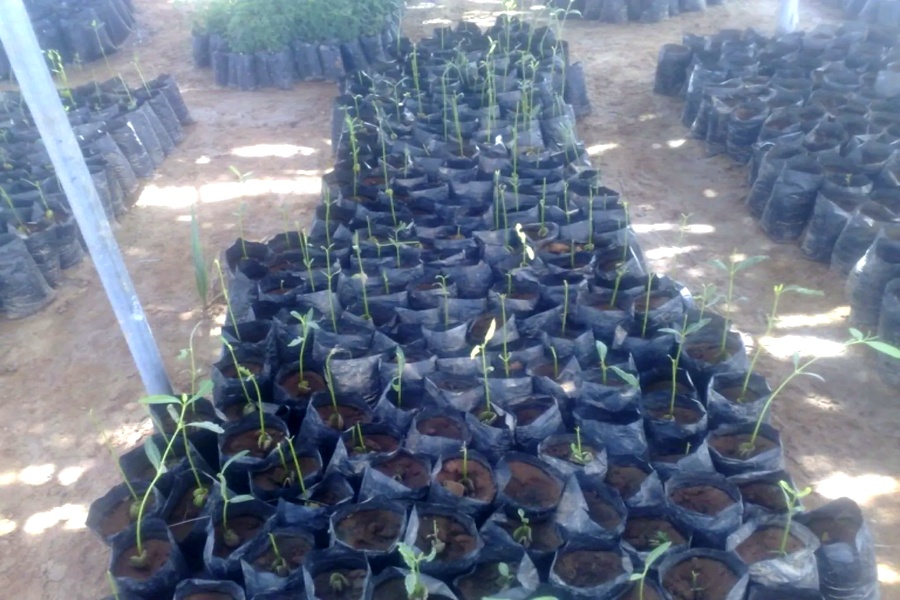
Bossaso, Somalia: Along the coastline near Bossaso airport, a small nursery is quietly growing something precious: mangrove seedlings. Over three months, with support from the World Food Programme (WFP) through Food for Vouchers, SEDO Somalia established a mangrove nursery to raise seedlings for transplanting along the coast. The goal is ambitious but essential restoring coastal ecosystems that have been degraded over years of environmental stress. SEDO collected 4,000 seedlings and planted them in the nursery, with 70% successfully raised. The initial plan was to plant 6,000 seeds (1,500 per month), but space constraints meant 3,450 seeds were planted in the available nursery beds. Despite this, the project achieved strong results, and the seedlings are now ready for their next chapter.
The transplantation site was carefully selected. SEDO proposed Elaayo village as the ideal location, thanks to its landscape and soil characteristics perfect for mangroves to take root and thrive. The seedlings will be transplanted along the seaside in Elaayo and other suitable coastal areas, contributing to the restoration of the fragile coastal environment. Mangroves are vital; they protect shorelines from erosion, provide breeding grounds for fish, and support the livelihoods of coastal communities. But this project was not just about trees. It was about people too. SEDO used a community participatory approach to identify participants, ensuring that local voices shaped the work. The project also created short-term jobs through the Food for Voucher mechanism, helping families put food on the table while building something that will outlast the three-month project cycle.
The mangrove nursery is now complete, and the seedlings are being transplanted to Elaayo as part of ongoing efforts. But the real success will be measured in the years ahead when the mangroves grow, the fish return, the shoreline holds firm, and the community looks back at this small nursery as the start of something bigger. SEDO Somalia remains committed to environmental restoration and community-led development. This project is one step toward a greener, more resilient coastline and a future where both nature and people can thrive together.