
Elayo, Sanaag: Elayo is a small fishing village on the Gulf of Aden coastline, nestled between Bosaso and Lasqorey. But life here has never been easy. Fishermen lack proper equipment and markets to sell their catch. Fresh water is scarce communities walk 35 kilometers to Hias and Gebi Godle, paying high prices for every drop. And the sea itself has been depleted by cyclones and illegal foreign fishing. When SEDO Somalia arrived in Elayo, the community was clear about their priorities; water and livelihood restoration. With funding from the World Food Programme (WFP) through Food for Assets, SEDO implemented a project from March to June 2014 that tackled both challenges head-on excavating a community dam and transplanting 4,000 mangrove seedlings along the coastline.
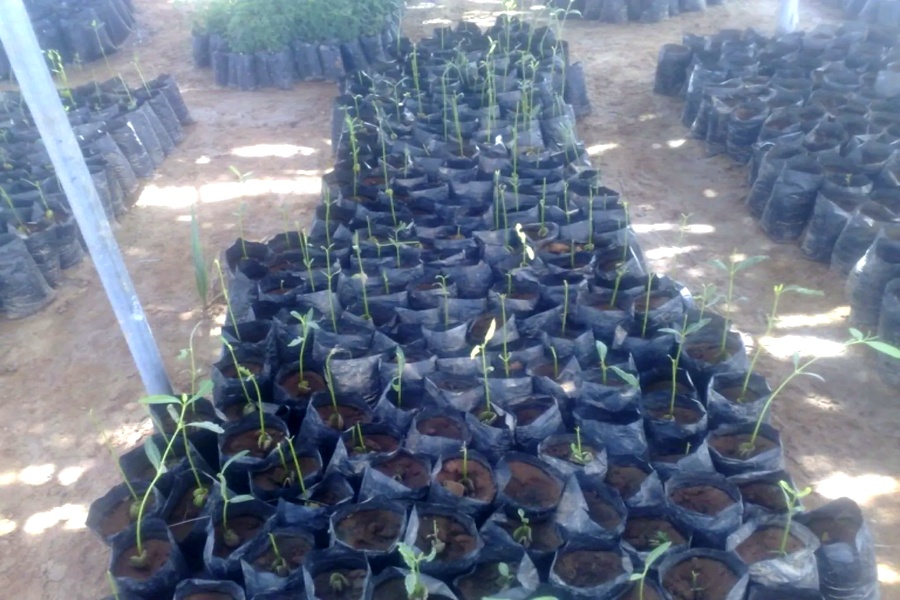
The project engaged 400 participants , 375 for dam excavation and 25 for mangrove transplantation, who received food assistance in exchange for their labor. The dam serves multiple purposes; it provides fresh water for livestock and human consumption, and it supplies the freshwater needed for mangrove growth, which requires a combination of saline seawater and fresh water to thrive. The Elayo valley was chosen for transplantation because of its ideal landscape and soil characteristics. The seedlings themselves were raised earlier in a SEDO-managed nursery in Bossaso, supported by WFP, and transported to Elayo for planting. The mangroves will restore the coastal ecosystem, protect the shoreline from erosion, rebuild fish breeding grounds, and help bring back the catches that local fishers depend on.
The community was involved every step of the way. SEDO used a participatory approach to identify participants, and community members selected their own project implementation committee with final oversight to manage and maintain the assets long after the project ends. The committee, which includes women, ensures the dam and mangroves remain sustainable for years to come. While the project was short just three months during the dry season its impact will be measured over time. When the rains return, the dam will hold water. When the mangroves mature, the fish will return. And when the community looks back, they will see a village that chose to build its own future one dam, one tree, one family at a time.